Florida fairy stories aren’t morality tales.
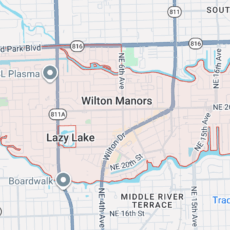
An old lady with an ex-pretty face and a need to make friends in the most unlikely situations (in the pool, at the grocery store and generally any place where people congregate without social expectations) lived in Building 67 of a large condo development in Pompano, which is a bit north of Wilton Manors’ Island City.
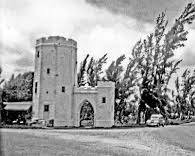
Building 67, which is a castle designed to reflect the aesthetics of jails and middle schools circa 1970, contains characters from many eras who try to live Happily Ever After. It has small windows reminiscent of a castle’s arrow slits that face a road, and large sliding glass doors at the rear of every apartment that frame beautiful sunsets, dark skies and shooting stars. A lake full of lively birds and sluggish reptiles completes the picture.
Its location and vibe are best described in a previous post Florida Fairy Tale #1: Building 67.
The Lady of the Castle’s present, a dark twilight defined by dementia, was built on a reasonably sunny past and at least one bit of luck.
She and her long-time partner spent many hours in the small condo pool. He was a bulky man who always brought his speakers with a playlist of 60s-era music to the pool. Both lightened the mood and seemed to keep The Lady’s verbose friendliness to manageable levels. He gently herded her back up to their apartment at meal times. The Lady had a daughter who lived elsewhere at the insistence of the condo board even though the condo grapevine indicated that this daughter had changed her ways and was no longer to be found working in the parking lot after midnight.
A cat lived with them. Cats are the base of the pyramid that is the social structure of any neighborhood in South Florida. Their aristocratic insistence on being fed and treated with deference masks a very real grasp of the unconscious subtleties that shape the lives of their owners. Humans, of course, are oblivious to the secret lives of what they consider to be an underclass of pets.
One sad day, The Lady’s partner died. Condo residents held a small remembrance party at the pool with grocery store appetizer plates, wine and beer. Life moved on smoothly for everyone except The Lady. Her daughter moved back into the apartment, but one drawback of her conventional job is that it kept her from babysitting her mother during the nine to five hours that are just as lonely as the nighttime hours when time basically has no meaning to the person trying to track it.
The cat refused to leave the comfort of the dark indoors and seemed to adjust equally well to the partner’s disappearance and the daughter’s appearance.
One day at noon, according to the analog clock on the pool deck wall, the short security guard who seemed to be around during all major unexplainable incidents at Building 67 heard The Lady’s cat crying loudly and insistently. That had never happened. The guard ignored the cat for as long as possible, and then took the elevator up to the seventh floor. The door to The Lady’s apartment was open, the wailing cat was outside (on the catwalk, no less) and The Lady was leaning over the railing that lined the walkway.
Her stare didn’t seem to register anything meaningful, and she didn’t hear the cat’s cries. The Lady was looking at a hot, rough asphalt parking lot lined with a stained concrete sidewalk. Her view’s foreground included a few narrow palm trees with spiky fronds that did nothing to soften the overall view.
The security guard walked up to The Lady while the cat’s noise slowly abated. The guard talked to The Lady.
“Once upon a time,” she said, “your partner would never let the cat outside of your place. It’s just not safe.”
The Lady’s attention shifted from the nothingness of the parking lot. Eventually the women agreed that it was best that The Lady and her cat should go back inside the apartment. They both felt that the guard should call the daughter.
Some months later, The Lady, the cat and the daughter moved to a ground floor apartment in Building 52 across the way.
It’s a tale without a happy or sad ending or even a morality lesson — because the residents of Building 67 moved on to new stories.